


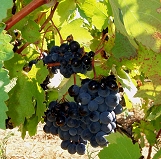
vineyard
‘Fine wine is made in the vineyard’. This is central to the work at the Domaine at all times of year, from pruning to harvest. Each vine is pruned appropriately for its soil, age and vigour. Treatments throughout the year use the product the least toxic for the plant and animal life found in and around the parcel, and include no herbicide, no systemic pesticides and no chemical fertilisers. Shoot selection and limited green harvesting optimise the vigour and productivity of the vine.
Since 2008, all our vineyards have been officially registered as being organic, as controlled by Ecocert. This commitment is not a market-led, politically-correct statement, rather it is a formalisation of the way we have always worked and of our farming philosophy. During this time, we have seen an improvement both in the health of the vines and in the balance of the wines. As our aim is to express the terroirs of the domaine, we see the cornerstone as being the health of its vineyard ecosystems.
The finest and best adapted red grape varieties traditionally grown here are the Carignan Noir and the Grenache Noir. Many of the gnarled vines are over 100 years old and from these the true taste of the region can be found; intense, vivid cassis fruit and wild thyme, fennel, rosemary and juniper aromas.
To these, Syrah and Mourvèdre (with their origins in the Rhone valley and northern Spain, respectively), add depth and structure to the wines. From former times, tiny amounts of Aramon, the red-fleshed Morrastel Bouschet and Alicante Bouschet, and Grenache Rose still exist. Although not reputed for its white wines, this area has a great potential for wines made from Grenache Blanc and Grenache Gris. To these should be added the potential of the long-forgotten Terret Gris, Carignan Blanc and Blanquette. We are particularly committed to discovering and developing the potential of these indigenous varieties, as seen by the creation of the cuvées Carignan, Aramon and Mille Ciels